
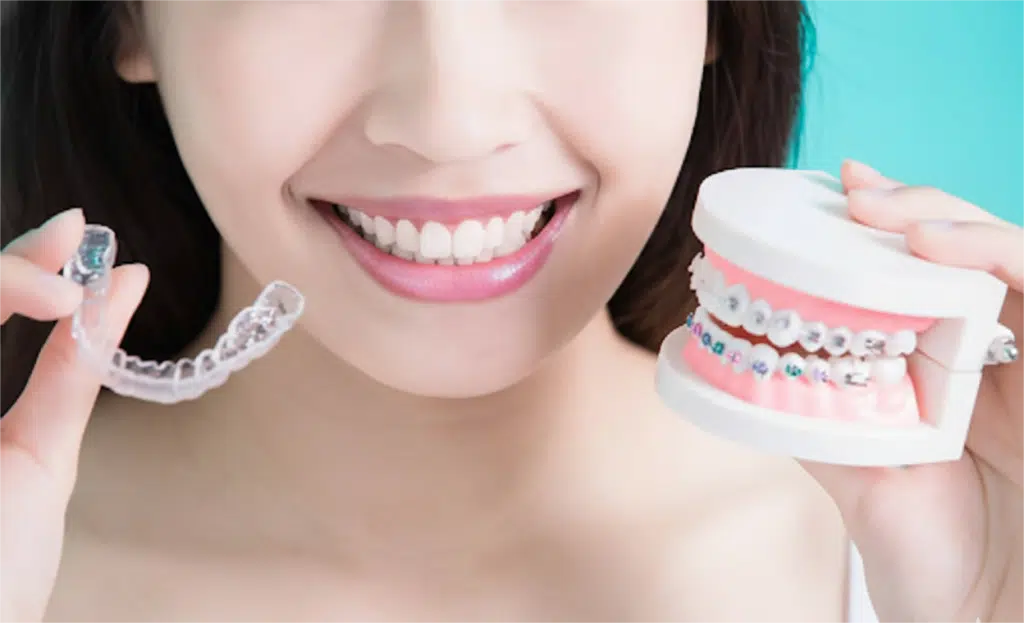

One of the first questions patients ask is simple: how long will this take? On average, Invisalign treatment lasts about 12 to 18 months, while traditional braces typically take 18 to 24 months. Mild cases can move faster, sometimes finishing in under a year with Invisalign. More complex bite or alignment issues may take two years or longer with either option. Comparing Invisalign vs. braces in terms of treatment time ultimately depends on the severity of the case, how consistently treatment is followed, and how the teeth biologically respond. The appliance matters, but planning, compliance, and case complexity matter even more.
How Long Does Invisalign Take Compared to Braces?
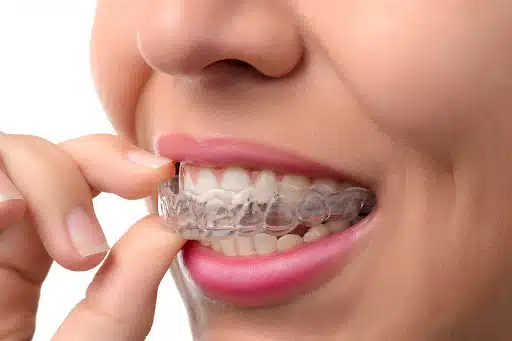
Many patients are drawn to clear aligners because they appear simple and flexible. Invisalign is often associated with shorter treatment windows, but actual timelines depend on more than the aligners themselves. Tooth movement still follows biological limits, no matter the system used.
How long does Invisalign take is usually answered with a range rather than a single number. Mild spacing or crowding may be corrected in under a year. Moderate alignment issues often take longer, especially if refinements are needed along the way. Consistent daily wear plays a major role in staying on schedule.
Braces follow a more predictable path because they work continuously. They do not rely on patient removal or reinsertion. While braces may appear slower at first, they can move teeth more efficiently in certain situations, especially when multiple adjustments are required over time.
Braces vs Invisalign Results for Different Types of Corrections
Treatment speed is closely tied to what needs to be corrected. Not all alignment problems respond the same way to every orthodontic system. Some movements are straightforward, while others demand more control and force over time.
When comparing braces vs Invisalign results, the difference often shows up in how complex tooth movements are handled. Aligners work well for controlled, step-by-step shifts. Braces apply constant pressure and can manage difficult corrections with fewer pauses.
Common examples where outcomes and timing may differ include:
- Significant crowding that requires space creation
- Rotations of teeth that are angled or tilted
- Vertical movement, such as teeth that need to be raised or lowered
- Bite corrections involving multiple tooth groups
In these cases, the type of correction matters more than the appearance of the appliance. The goal is stable movement, not just fast movement, since rushed changes can lead to setbacks later.
What Actually Makes One Orthodontic Treatment Faster Than Another?
Speed is influenced by several factors working together. The appliance alone does not decide how quickly teeth move. Planning, monitoring, and patient habits all play a role in keeping treatment on track.
The idea of the fastest orthodontic treatment often overlooks how individual each case is. Tooth roots respond at different rates. Bone density, age, and past dental work can all affect progress. Even small interruptions can add weeks or months.
Technology helps, but it does not replace consistency. Digital scans, remote check-ins, and refined adjustment schedules can reduce delays. Progress stays steady when instructions are followed, and appointments stay on schedule.
Invisalign Treatment Timeline vs Traditional Braces in Real Life
Treatment timelines look clean and predictable on paper. Real life often changes that picture. Missed wear time, delayed appointments, or unexpected tooth resistance can shift the schedule.
An Invisalign treatment timeline may move faster for patients who follow instructions closely. Wearing aligners as directed and switching trays on time helps keep movement consistent. Small refinements can extend treatment, but they are common and usually planned for.
In everyday orthodontic care, these factors often influence how long treatment lasts:
- Daily compliance with aligner wear or elastic use
- How often are adjustments or refinements needed
- The body’s natural response to tooth movement
Braces operate without daily removal, which can reduce some variables. That consistency can help maintain progress when complex changes are required.
When Braces Can Still Be the Faster Option
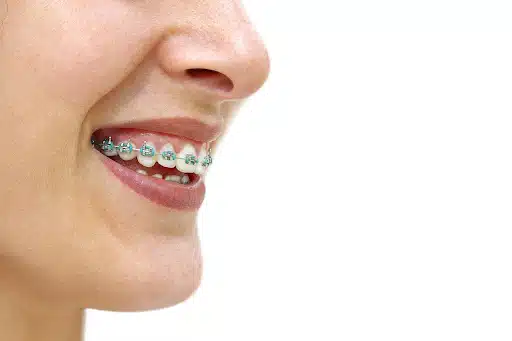
Clear aligners get a lot of attention for convenience, but they are not always the quicker path. Some cases respond better to constant pressure and hands-on adjustments that only fixed appliances can provide.
Braces treatment duration can be shorter when teeth need complex movement. This includes rotations, vertical shifts, or bite corrections that require steady force throughout the day. Since braces stay in place,
progress does not pause due to missed wear time.
For patients who want efficiency without relying on daily habits, braces can keep treatment moving at a consistent pace. In these situations, control and precision often matter more than flexibility.
Common Questions About Invisalign and Braces Speed
Can Invisalign really work faster than braces?
Yes, in simpler alignment cases, clear aligners can move teeth efficiently. Treatment speed still depends on consistent wear and how the teeth respond.
Do aligners slow things down if they are not worn enough?
Yes, reduced wear time can interrupt planned tooth movement. Even small gaps in consistency can extend treatment length.
Are refinements a sign that Invisalign failed?
No, refinements are common and expected in many cases. They help fine-tune results and improve long-term stability.
Does age affect how quickly orthodontic treatment works?
Yes, tooth movement can be slower in adults due to bone density. That does not mean treatment is ineffective, only that timelines can vary.
Orthodontic Care with Bowers Orthodontic Specialists in Bloomington, IL
At Bowers Orthodontic Specialists, we focus on helping patients understand their options before treatment begins. Our team in Bloomington, IL, works with children, teens, and adults, offering both braces and Invisalign with realistic expectations about treatment length. We take time to plan each case carefully, so progress stays steady, and results are built to last.
As a family-operated practice, we value clear communication and individualized care. We look at how teeth move, how consistent treatment can be, and what approach fits each patient’s daily life.
If you are comparing braces and Invisalign and want honest guidance on what may work faster for you, we invite you to schedule a consultation with our orthodontic team.