
Braces in Bloomington, IL | Bowers Orthodontics
Braces in Bloomington
Braces play a crucial role in orthodontic care, offering effective solutions for various dental issues. They improve oral health, correct bite problems, and enhance confidence with a straight, beautiful smile. Understanding the types of braces and their benefits can help you make an informed decision about your orthodontic treatment.

Types of Braces at Bowers Orthodontic Specialists
Traditional Metal Braces
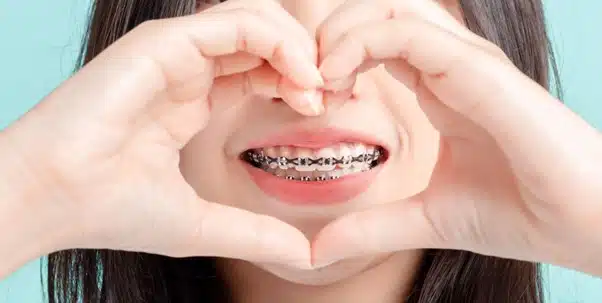
Metal braces are durable and effective for correcting a wide range of dental issues. They use metal brackets and wires to gradually move teeth into their proper positions. Metal braces are a popular choice due to their reliability and the precise control they offer orthodontists during treatment.
Ceramic Braces
Ceramic braces function similarly to metal braces but use clear or tooth-colored brackets, making them less noticeable. These braces provide an aesthetic advantage for those who prefer a more discreet option while still achieving effective results.
Invisalign
Invisalign uses a series of clear, removable aligners to straighten teeth. This option offers comfort and convenience, allowing patients to eat and clean their teeth without the restrictions that come with traditional braces. Invisalign aligners are nearly invisible which makes them an excellent choice for adults and teens seeking a discreet orthodontic solution.



Who Are the Candidates for Braces?
Children and Teens
Children and teens are ideal candidates for braces. Addressing orthodontic issues early can prevent more severe problems later and ensure proper jaw and teeth development.
Adults
Adults can also benefit from braces. It's never too late to improve your smile and oral health. Modern orthodontic treatments offer discreet options like ceramic braces and Invisalign, making braces a viable choice for adults seeking dental correction.
What Are Braces For?
Improved Oral Health
Braces straighten teeth, making them easier to clean. This reduces the risk of cavities and gum disease. Proper alignment helps in maintaining better oral hygiene, leading to a healthier mouth.
Corrected Bite and Alignment
Braces fix bite issues such as overbites, underbites, and crossbites. They ensure that teeth and jaws are correctly aligned, improving chewing and speaking functions.
Boosted Confidence
A straight, beautiful smile significantly boosts self-esteem. Braces help create a confident, attractive smile, making you feel better about your appearance.


The Treatment Process
Initial Consultation
During the first visit, the orthodontist assesses your dental needs. Expect a thorough examination, X-rays, and a discussion about your treatment goals. The orthodontist creates a customized treatment plan based on this assessment.
Getting Braces Fitted
The process of fitting braces involves cleaning the teeth, applying bonding glue, and attaching the brackets. The orthodontist then connects these brackets with a wire. The first few days with braces might involve some discomfort, but following care instructions helps manage this.
Regular Adjustments
Follow-up appointments are crucial for monitoring progress and making necessary adjustments. During these visits, the orthodontist tightens the wires or replaces them to ensure teeth move into the correct position.
Completion and Retention
Once the treatment is complete, the orthodontist removes the braces. To maintain the new alignment, you will need to wear retainers. Regular check-ups ensure that your teeth remain in their new positions, securing your beautiful smile.
Exceptional Orthodontic Care at Bowers Orthodontic Specialists
Bowers Orthodontic Specialists provides personalized orthodontic treatments for all ages. Our experienced team utilizes the latest technology to ensure effective, comfortable care.
Start your journey to a healthier, more confident smile. Contact Bowers Orthodontic Specialists to schedule your consultation.
FAQs About Braces
Braces straighten teeth, improve oral health, correct bite issues, and boost confidence by enhancing your smile.
Treatment duration varies but typically lasts between 18 to 24 months, depending on the complexity of the case.
Yes, we offer traditional metal braces, ceramic braces, and Invisalign. Each type caters to different needs and preferences.
You may experience some discomfort initially and after adjustments, but it is usually temporary and manageable.
Regular check-ups are scheduled every 6 to 8 weeks to monitor progress and make adjustments.
Absolutely. Braces are effective for adults and can address long-standing dental issues.
Avoid sticky, hard, and chewy foods that can damage braces. Your orthodontist will provide a list of foods to avoid.
Maintain good oral hygiene by brushing and flossing regularly. Use special tools like interdental brushes to clean around brackets and wires.
You might experience slight changes in speech initially, but most people adjust quickly.
The fee depends on your bite, the type of braces and the care required. Statewide averages are not a quote for your treatment. Ask for a personalized written estimate that explains visits, retainers, insurance benefits and available payment arrangements.
Osteopenia does not automatically rule out braces. Tell your orthodontist about your bone health, medical history and all medicines, including osteoporosis treatments. An examination and, when appropriate, coordination with your physician help determine whether tooth movement is suitable and how it should be monitored.
Braces can correct some dental underbites. A significant mismatch in jaw size or position may need growth-related treatment in children or coordinated surgical care in adults. An orthodontic assessment identifies the cause and the appropriate options.
Untreated decay, active gum disease or inadequate bone support may need attention before braces. These findings do not always mean treatment is permanently ruled out. Your orthodontist and dentist can explain what must be addressed and whether treatment can proceed safely.
Avoid hard, sticky or chewy foods that can loosen brackets or bend wires. Cut apples, carrots and other firm foods into small pieces rather than biting directly into them. Follow your orthodontic team’s instructions and contact the office about a broken appliance.
A price alone cannot show whether a treatment plan is good value. Compare the proposed care, appliance, visits, refinements and retainers, and ask what extra fees might apply. A consultation provides an estimate for your individual needs.
Treatment aims to improve alignment and bite function within your individual biological limits. Natural tooth shape and jaw relationships affect the final appearance. Wear retainers as prescribed because teeth can shift after active treatment.
There is no universal four-stage system used by every orthodontist. The phrase may refer to finishing adjustments, removing braces or starting retention, depending on the practice. Ask your team which stage you are in and what remains in your plan.
People often use this informal phrase for the first days of adapting to brackets and wires or for temporary changes during alignment. Mild tenderness can occur after fitting or adjustments. Contact the office about severe or persistent pain, sores or a loose appliance.
Complex bite problems, impacted teeth and substantial differences in jaw position can need additional planning or coordinated care. Difficulty varies by patient. Records and an examination help your orthodontist explain the limits, alternatives and likely treatment sequence.
