
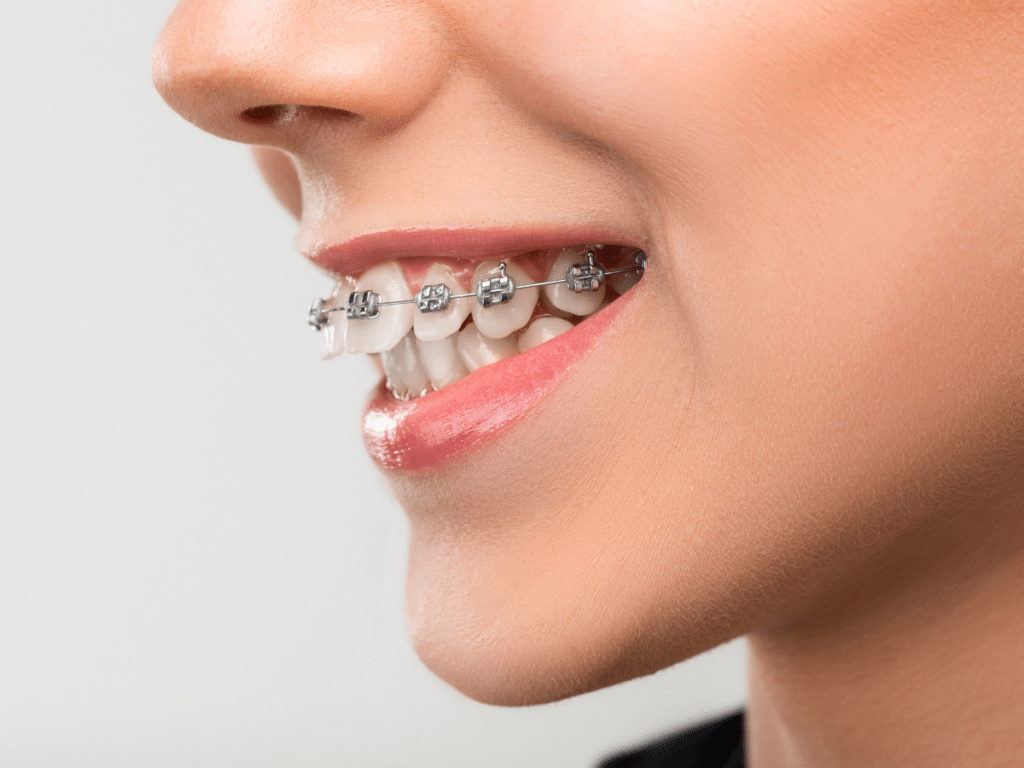

When you begin orthodontic treatment, one of the first questions you may have is, “How long will I wear braces?” At Bowers Orthodontics, we understand that treatment time is just as important as the final result. Meet Dr. Kurt T. Bowers, an experienced orthodontist who has been helping patients in Bloomington, IL, achieve healthy, confident smiles since 1993. With decades of clinical expertise and a patient-centered approach, Dr. Bowers ensures that every treatment plan is customized to your needs—because no two smiles develop the same way.
This guide explains the average treatment time for braces, what affects it, and what you can expect at each stage of the process.
Understanding the Average Braces Treatment Time
The average time for braces treatment typically ranges from 18 to 24 months. However, some patients complete treatment sooner, while others—especially those with complex orthodontic needs—may require up to 30 months.
Orthodontic treatment is highly individualized. Factors such as age, jaw growth, bite problems, and patient cooperation all influence how long braces must stay on. At Bowers Orthodontics, your timeline is determined after a detailed exam, digital diagnostics, and bite analysis performed by Dr. Bowers.
Braces in Bloomington, IL: Why Treatment Times Vary
If you’re searching for braces in Bloomington, IL, you may notice different practices offering different timelines. This is because each patient’s starting point varies widely.
Common factors that shape treatment duration include:
1. Severity of Your Orthodontic Issues
Mild crowding or spacing can often be corrected more quickly. Complex bite problems—such as overbite, underbite, crossbite, or open bite—typically require longer treatment.
2. Age of the Patient
Teens often experience slightly faster results because their jaw is still growing. Adults can achieve equally excellent outcomes, but teeth may move more slowly.
3. Type of Braces or Appliances
Traditional, ceramic, and self-ligating braces move teeth using fixed brackets and wires, while Invisalign uses clear aligners. The right treatment option depends on your specific clinical needs.
4. Patient Compliance
Wearing elastics as instructed, maintaining good oral hygiene, and keeping all appointments can significantly shorten your overall treatment time with braces.
How Long Do Braces Take? A Detailed Breakdown
A common search query—“How long do braces take?”—has no one-size-fits-all answer. But here’s a reliable overview:
1. Mild Orthodontic Cases
6–12 months
Examples: minimal crowding, small gaps, minor relapse after previous treatment.
2. Moderate Orthodontic Cases
12–24 months
Examples: mild bite issues, moderate spacing, and rotated teeth.
3. Complex Orthodontic Cases
24–30+ months
Examples: severe bite discrepancy, impacted teeth, jaw asymmetry, or cases requiring orthognathic (jaw) surgery.
Dr. Bowers explains realistic expectations during your consultation so you’ll know exactly what the timeline looks like from the start.
Braces Treatment Duration: What Happens at Each Stage
Understanding the stages of treatment can help you feel more confident and prepared.
Stage 1: Planning and Diagnostics (Initial Visit)
- Digital X-rays
- 3D scans
- Detailed bite evaluation
- Photographs
These tools help Dr. Bowers design a personalized plan tailored to your bite and facial structure.
Stage 2: Alignment (First 3–6 Months)
The initial months focus on addressing crowding or spacing, with changes occurring gradually depending on individual treatment needs.
Stage 3: Bite Correction (6–18 Months)
This is often the longest phase. Elastics are used to guide your upper and lower bite into the correct position. Bite correction requires slower, more controlled movement.
Stage 4: Detailing and Finishing (Final 3–6 Months)
Small refinements ensure your teeth are perfectly aligned for long-term stability.
Stage 5: Retention Phase
Once your braces come off, you’ll receive custom retainers. Wearing retainers as instructed is the only way to maintain your results.
Braces Before and After: What Results Can You Expect?
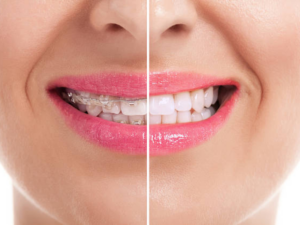
Patients love seeing their braces before and after transformation, and for good reason. Properly aligned teeth offer:
- A more attractive smile
- Improved chewing efficiency
- Better long-term oral health
- Reduced risk of dental wear
- Easier brushing and flossing
Dr. Bowers creates treatment plans that emphasize both function and aesthetics, ensuring your results are stable and natural-looking.
How to Shorten Your Braces Treatment Time
✔ Keep Every Appointment
Rescheduled or missed visits can delay progress.
✔ Follow Elastic Instructions
Elastics are essential for bite correction. Wearing them inconsistently can add months to treatment.
✔ Maintain Excellent Oral Hygiene
Plaque buildup, swollen gums, or cavities may pause treatment until the mouth is healthy again.
✔ Avoid Damaging Braces
Broken brackets or wires interrupt tooth movement. Avoid sticky candies, hard foods, and chewing ice.
✔ Communicate Concerns Early
If something feels off, call the office right away.
At Bowers Orthodontics, we partner with you to ensure an efficient, comfortable journey from start to finish.
Average Braces Treatment Time for Adults
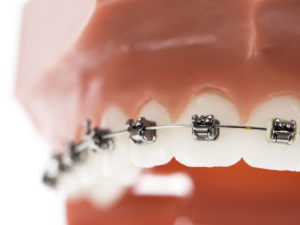
Adult orthodontics continues to grow in popularity. While adult treatment may take slightly longer due to mature bone density, timelines remain predictable and effective.
- Traditional metal braces
- Ceramic (clear) braces
- Invisalign clear aligners
Dr. Bowers will help you select the option that fits your lifestyle and clinical needs.
What Happens After Braces Come Off?
Once treatment is complete, retention is the next—and most important—step. Retainers prevent the teeth from shifting and protect your investment.
- Removable clear retainers
- Fixed (bonded) retainers
Wearing retainers exactly as instructed ensures your results last a lifetime.
Why Choose Bowers Orthodontics?
With more than 30 years of experience, Dr. Bowers brings unmatched expertise, advanced technology, and a warm, patient-focused approach to every case.
- Comprehensive services
- Personalized care plans
- Modern diagnostic tools
- Convenient appointment scheduling
- A friendly, experienced team
If you’re ready to begin your journey, we’re here to help.
Conclusion
The average time for braces treatment varies for each patient, but with the right orthodontist and a well-structured treatment plan, you can achieve a healthy, confident smile that lasts a lifetime. At Bowers Orthodontics, Dr. Kurt T. Bowers and his team provide expert guidance, personalized care, and advanced orthodontic solutions for patients of all ages in Bloomington, IL.
To schedule a consultation, call 309-228-2561. Your new smile starts here.
FAQ: Average Braces Treatment Time
Is 18 months a normal time to wear braces?
Yes. Most orthodontic treatments fall within the 18–24 month range.
Do braces work faster on kids or adults?
Teeth tend to move faster in kids and teens because their jaws are still growing.
Can Invisalign be faster than braces?
For mild to moderate cases, Invisalign can be comparable in speed. Complex bite problems may still require braces.
Will my treatment take longer if I break brackets?
Yes. Damaged braces slow down progress and may extend the treatment timeline.
How long do I have to wear retainers after braces?
Retainers are typically worn full-time at first, then nightly long-term to prevent relapse.