
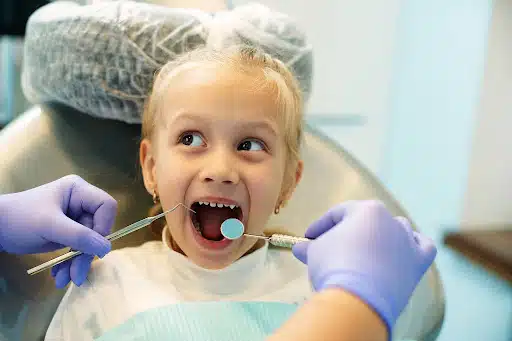

Parents often expect braces to come after all adult teeth appear. In some cases, orthodontists recommend early orthodontic treatment for children while a child still has a mix of baby and permanent teeth. This approach allows specialists to monitor growth and address problems before they become more difficult to correct.
Children’s teeth and jaws change quickly as they grow. When bite alignment or jaw development begins to shift in the wrong direction, waiting several years can allow the problem to worsen. Early orthodontic care gives specialists the opportunity to guide how teeth come in and how the jaws develop.
Many families are surprised to learn that braces or other orthodontic appliances can sometimes start earlier than expected. The purpose of this guide is to explain why some children benefit from treatment before all adult teeth erupt, what orthodontists look for during early evaluations, and how early care can support healthier long-term dental development.
Why Orthodontists Recommend an Orthodontic Evaluation Age 7
Many orthodontic concerns develop while a child’s mouth is still growing. Because baby teeth and adult teeth often exist together during childhood, this stage allows orthodontists to observe how the bite is forming and how the jaws are developing. Early observation helps identify problems that may not be obvious to parents during routine brushing or dental visits.
During an early orthodontic visit, the doctor studies several important aspects of development. These evaluations often include:
- The way the upper and lower teeth fit together
- Jaw growth and facial development
- Crowding or spacing between teeth
- The position of erupting permanent teeth
The American Association of Orthodontists recommends an orthodontic evaluation at age 7 because this is often the point when bite patterns and growth changes become easier to detect. At this stage, orthodontists can determine if monitoring growth is enough or if early treatment could prevent more complex problems later.
Signs a Child Needs Braces Early
Some orthodontic problems appear long before all permanent teeth erupt. Parents may not always recognize these issues because children’s smiles change quickly during growth. When teeth or jaws begin developing out of alignment, early orthodontic care can sometimes guide that growth in a healthier direction.
Many early indicators relate to how the teeth function together and how the mouth develops. Habits, bite patterns, and the timing of baby teeth falling out can all affect alignment. Orthodontists look for patterns that suggest teeth may not have enough space or that the jaws are not developing evenly.
Common signs a child needs braces early may include:
- Baby teeth falling out much earlier or later than expected
- Difficulty biting or chewing food
- Teeth that appear crowded, overlapping, or protruding
- Frequent mouth breathing
- Jaw shifting or clicking when opening and closing the mouth
How Phase 1 Orthodontic Treatment Helps Guide Jaw Development
Some orthodontic issues begin while the jaw is still forming. When problems appear early, orthodontists may recommend treatment that focuses on guiding growth rather than only straightening teeth. This type of care can improve how the upper and lower jaws fit together as a child develops.
Early appliances can help create space for incoming permanent teeth and reduce pressure that leads to crowding. Orthodontists may use expanders, limited braces, or other devices that gently influence jaw development during important growth stages. These treatments are often shorter than full orthodontic care and are designed to address specific structural concerns.
Phase 1 orthodontic treatment focuses on correcting bite issues and supporting proper jaw alignment before all permanent teeth have erupted. By guiding development at the right time, orthodontists can reduce the severity of future orthodontic problems and create a better foundation for later treatment if it becomes necessary.
Benefits of Early Orthodontic Treatment for Growing Smiles
Orthodontic treatment during childhood can help guide dental development while the jaws are still forming. When certain problems are addressed early, orthodontists can influence how teeth grow in and how the bite develops. This approach often allows specialists to correct structural concerns before they become more complex.
Early intervention is not recommended for every child. Orthodontists evaluate growth patterns, bite alignment, and available space for permanent teeth before suggesting treatment. When issues are detected early, treatment can help direct development in a healthier direction.
Some benefits of early orthodontic treatment include:
- Creating space for permanent teeth that have not erupted yet
- Guiding jaw growth to improve bite alignment
- Lowering the risk of damage to protruding front teeth
- Improving facial balance as the child grows
- Reducing the complexity of orthodontic care during the teenage years
When Should a Child See an Orthodontist for Early Treatment?
Many parents wonder when the right time is to schedule a first orthodontic visit. Children’s teeth and jaws develop at different speeds, so the timing of care can vary from one child to another. An early visit allows an orthodontist to observe growth patterns and detect problems that may not yet cause discomfort.
During childhood, the mouth is still developing. This stage gives orthodontists the opportunity to influence how teeth erupt and how the jaws grow. In some situations, interceptive orthodontic treatment may help guide development and prevent more severe alignment problems later.
Parents often ask when should a child see an orthodontist for an evaluation. Most specialists recommend scheduling a consultation around age seven so growth patterns and bite alignment can be carefully monitored.
Frequently Asked Questions About Early Braces
At what age should a child see an orthodontist for the first evaluation?
The American Association of Orthodontists recommends a first orthodontic evaluation around age seven. At this stage, orthodontists can observe jaw growth, tooth eruption patterns, and bite alignment while both baby and permanent teeth are present.
Why might a child need braces before all adult teeth come in?
Some orthodontic problems develop while the jaw is still growing. Early treatment allows orthodontists to guide jaw development, create space for permanent teeth, and correct bite issues before they become more complex.
What are common signs a child may need early orthodontic treatment?
Parents may notice early signs such as crowded or protruding teeth, difficulty chewing, mouth breathing, or baby teeth falling out too early or too late. An orthodontist can evaluate these signs and determine whether monitoring or treatment is needed.
What is Phase 1 orthodontic treatment for children?
Phase 1 orthodontic treatment focuses on guiding jaw growth and improving bite alignment during childhood. Orthodontists may use appliances such as expanders or limited braces to create space for permanent teeth and support healthy development.
Does every child need early orthodontic treatment?
No. Many children only need periodic monitoring while their teeth and jaws continue to grow. Orthodontists recommend early treatment only when it can prevent more severe alignment or bite problems later.
Can early orthodontic treatment reduce the need for braces later?
In some cases, early treatment can simplify future orthodontic care. By guiding jaw development and tooth eruption at the right time, orthodontists may reduce crowding and improve overall bite alignment.
Supporting Healthy Smiles With Bowers Orthodontic Specialists
At Bowers Orthodontic Specialists, our team is committed to helping children develop healthy, confident smiles through thoughtful early orthodontic care. Dr. Kurt T. Bowers and our experienced orthodontic team carefully monitor jaw growth, bite alignment, and tooth development to determine whether early orthodontic treatment for children may be beneficial.
Serving families in Bloomington, IL, and surrounding communities, we provide personalized orthodontic care designed to support long-term oral health. When early guidance is recommended, we work closely with parents to create a treatment plan that supports a child’s growing smile.
If you have questions about your child’s smile development, contact our team to schedule an orthodontic consultation and learn about the next steps for healthy growth.