
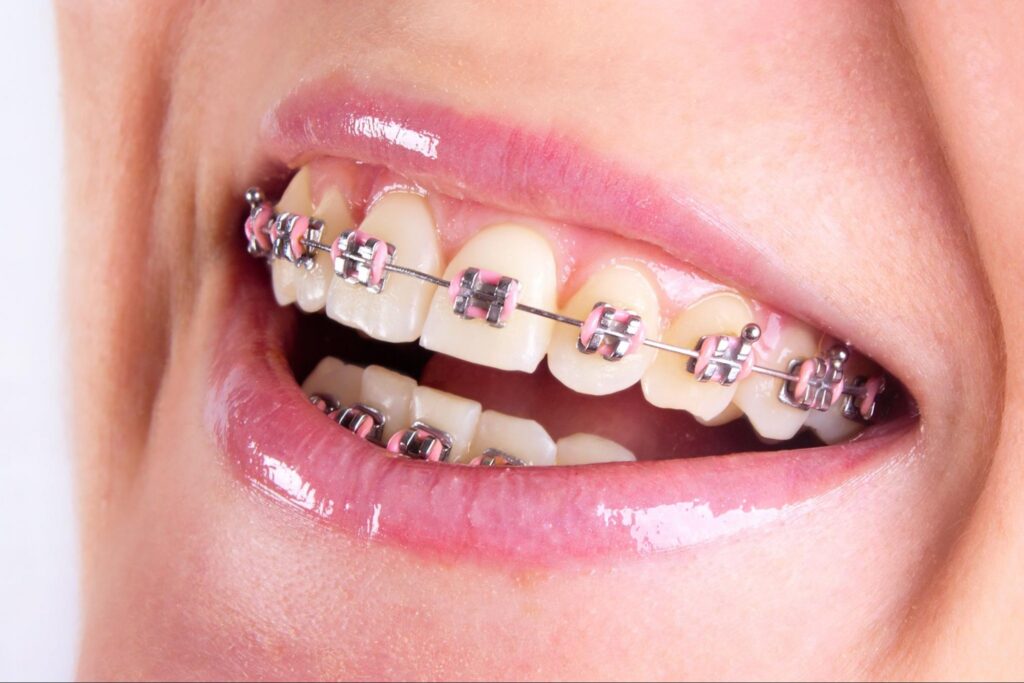

Getting braces is exciting. The first meal afterward, less so. Most new patients at Bowers Orthodontic Specialists leave the bonding appointment with their teeth feeling tender and a head full of questions about what they are actually allowed to eat for the next year or two.
Understanding what you can and cannot eat with braces is not complicated once it is laid out clearly, but nobody wants to discover the rules by snapping a bracket on a piece of hard candy. This complete guide covers every category, from the first few days through the full course of treatment.
Why What You Eat Matters More Than You Might Think
Brackets are bonded to the surface of your teeth with dental adhesive. That bond is strong enough to do its job over months of treatment, but it is not designed to withstand direct force from hard or sticky foods. When a bracket pops off because someone bit into a hard pretzel, it does not just mean an inconvenient repair visit. It can set back the treatment timeline and, in some cases, undo progress that took weeks to achieve. For patients with braces in Bloomington, IL, following the food guidelines is one of the few things entirely within your control that keeps treatment on schedule.
The archwire running through the brackets is equally vulnerable. Biting into something too hard can bend the wire, which changes the forces being applied to your teeth in ways that are counterproductive. Sticky foods are a different problem. They do not break hardware outright but instead pull at brackets and get trapped in places that are genuinely difficult to clean, increasing the risk of decalcification and white spot marks on enamel that can become permanent.
The First Few Days: Stick to Soft Foods
The 48 to 72 hours after braces are placed is a specific case. Your teeth will be sore as they begin to respond to the new pressure, which means even foods that are technically allowed may be uncomfortable to chew. For the first few days, aim for the softest options available:
- Yogurt and smoothies: no chewing required, easy on tender teeth
- Mashed potatoes: soft, filling, and zero risk to brackets
- Scrambled eggs: soft protein that does not require any real biting force
- Oatmeal and soft cereals: avoid granola and anything with hard add-ins
- Soup: broth-based or blended, avoid chunky varieties with tough ingredients
- Soft pasta and rice: cooked until genuinely tender, not al dente
- Bananas and soft fruit: avoid apples and pears until they can be cut into small pieces
- Ice cream and pudding: no orthodontic objections here, just limit the sugar
Pain management tip: Over-the-counter pain relievers like ibuprofen or acetaminophen handle post-bonding soreness well when taken as directed. Rinsing with warm salt water also helps reduce inflammation in the first few days. This is normal and temporary.
What You Can Eat with Braces: The Safe List
Once the initial soreness passes, most foods are back on the table as long as you use common sense about how you eat them. Here is a comprehensive breakdown of what you can eat with braces organized by category:
| Category | Safe Options |
| Dairy | Soft cheese, yogurt, milk, pudding, ice cream (without mix-ins) |
| Bread and grains | Soft bread, pasta, rice, pancakes, tortillas (soft), muffins |
| Protein | Chicken (off the bone, tender), eggs, fish, tofu, deli meats |
| Vegetables | Cooked vegetables, soft roasted veggies, mashed options |
| Fruit | Bananas, berries, melon, grapes (cut), canned fruit, smoothies |
| Sweets | Soft cookies, cake, peanut butter, gelatin, applesauce |
| Drinks | All non-sticky beverages, limit sugary sodas and energy drinks |
If you are unsure whether your specific case has additional restrictions, the meet our doctor page gives you background on Dr. Bowers, and the team is always available to answer food-related questions between appointments.
What You Cannot Eat with Braces: The Avoid List
Knowing what you cannot eat with braces is just as important as the safe list, and the categories are consistent regardless of which type of braces you have. Here are the main ones to avoid throughout your entire treatment:
| Food Type | Examples | Why It Is a Problem |
| Hard foods | Hard candy, ice, nuts, raw carrots, hard pretzels | Can snap brackets or bend wires |
| Sticky foods | Caramel, taffy, gummy bears, fruit snacks, toffee | Pull at brackets, impossible to clean fully |
| Chewy foods | Bagels, tough meat, chewy bread, licorice | Put excessive force on bonded brackets |
| Crunchy snacks | Chips, popcorn, hard crackers, pretzels | Popcorn kernels especially damage wires |
| Foods bitten with front teeth | Corn on the cob, whole apples, chicken wings | Direct bite pressure on front brackets |
| Sugary foods and drinks | Soda, sports drinks, candy, excessive sugar | Plaque buildup causes decalcification |
The popcorn rule: Popcorn is one of the most frequently mentioned bracket-breaking foods and the reason is the unpopped kernel at the bottom of the bag. One bite into a kernel and you have a bent wire or a detached bracket. Skip it entirely for the duration of treatment.
Smart Adaptations: Eating Favorites Without the Risk
Giving up certain foods for 12 to 24 months sounds more daunting than it actually is once you know the workarounds. Most of the foods on the avoid list have braces-friendly versions:
- Apples and pears: slice them thinly instead of biting directly. The same flavor, no risk to brackets.
- Corn: cut it off the cob before eating. All the corn, none of the bracket-popping.
- Chicken: cut or shred it off the bone. Avoid eating directly off a wing or drumstick.
- Raw vegetables: roast or steam them until soft. Cooked carrots and broccoli are braces-friendly. Raw are not.
- Crusty bread: tear it into small pieces rather than biting into a whole roll or baguette.
- Pizza crust: eat the soft part and leave the hard crust end, or tear it into small pieces.
The adjustment period is real but brief. Most patients with braces in Bloomington, IL adapt within two to three weeks and stop thinking about food restrictions consciously after that. It becomes habit.
Cleaning After Eating: As Important as What You Eat
Diet and hygiene around braces are two sides of the same coin. Even braces-safe foods leave residue that needs to be cleared before it causes damage.
- Brush after every meal: carry a travel toothbrush and toothpaste if you are at school or work
- Use an interdental brush: the small proxy brushes reach under wires and between brackets where a regular toothbrush cannot
- Floss with a threader or floss pick: threading floss under the archwire is essential for removing food debris between teeth
- Rinse with water immediately when brushing is not possible: it dislodges loose food and reduces acid exposure until you can brush properly
- Fluoride mouthwash once daily: adds an extra layer of enamel protection during treatment
If you are weighing braces against other options and wondering about the lifestyle differences, the Invisalign vs. braces comparison guide walks through the key differences including how each one handles eating. And if you are curious about how long treatment typically takes, the average braces treatment time guide covers what to expect.
Getting Braces in Bloomington, IL: Bowers Orthodontic Specialists
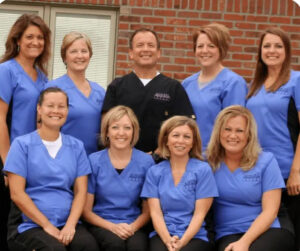
Dr. Kurt Bowers, DDS, MS, is a Bloomington native who earned his degree, master’s degree, and specialty certificate in orthodontics and dentofacial orthopedics from the University of Iowa. He has been in private practice in Bloomington since 1993 and is a Diplomate of the American Board of Orthodontics. For families seeking braces in Bloomington, IL, that combination of hometown roots and specialist-level training makes Bowers Orthodontic Specialists the consistent local choice.
Flexible payment plans and insurance coordination are available to make treatment accessible. The financial options page covers the full range of payment arrangements before you commit to anything.
Address: 2810 E. Empire St., Suite A, Bloomington, IL 61704
Phone: 309-663-0415
Book Your Free Consultation at Bowers Orthodontic Specialists
Frequently Asked Questions
What can and can’t you eat with braces?
Safe foods include soft breads, pasta, rice, cooked vegetables, soft fruit, dairy, eggs, tender proteins, and most sweets without hard mix-ins. Foods to avoid include hard candy, ice, popcorn, caramel, taffy, gummy candies, chips, raw hard vegetables, and anything eaten by biting with the front teeth. Understanding what you can and cannot eat with braces from the start protects your brackets, keeps treatment on schedule, and avoids unnecessary repair appointments.
How long do I need to follow braces food restrictions?
For the entire duration of active treatment. Once the brackets are removed and you are in the retention phase with only a retainer, normal eating resumes. The restrictions are lifted at the debonding appointment. Most patients with braces in Bloomington, IL are in active treatment for 14 to 24 months depending on case complexity.
What happens if I eat something I am not supposed to?
In many cases nothing obvious happens immediately, but over time hard and sticky foods increase the risk of a bracket detaching or a wire bending. When hardware breaks, it needs to be repaired at an additional appointment and, depending on the timing, can add weeks to your treatment. Call the office as soon as possible if something breaks rather than waiting for the next scheduled visit.
Can I eat at restaurants with braces?
Yes. Most restaurant menus have plenty of braces-safe options. The keys are choosing soft-cooked proteins over things like whole chicken wings or ribs eaten off the bone, avoiding hard bread and crackers, skipping desserts with hard candy or toffee, and having a plan to clean your teeth after eating. Carrying a travel toothbrush makes after-meal cleaning practical wherever you are.
Is it harder to keep teeth clean with braces?
It requires more effort but it is entirely manageable. Brackets and wires create more surfaces for food and plaque to collect on, which means brushing after meals, using an interdental brush, and flossing with a threader are all part of the daily routine. Patients who maintain good hygiene throughout treatment avoid the white spot marks and enamel damage that can occur when cleaning is skipped.
Does Bowers Orthodontics offer payment plans for braces in Bloomington, IL?
Yes. Bowers Orthodontic Specialists offers flexible payment plans and works with most insurance providers to make treatment affordable. The team walks through all financial options at the consultation so patients have a clear picture of costs before committing to anything. Contact the office or visit the financial options page for details.